
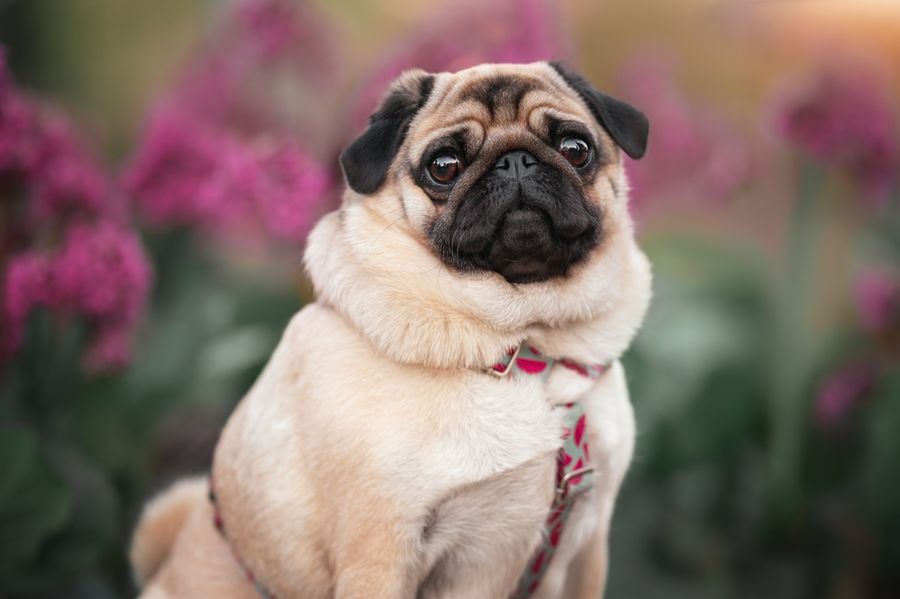
Few dog breeds can match the charm and personality packed into a Pug's small frame. With their expressive faces, playful attitudes, and endless affection, Pugs have won the hearts of dog lovers around the world. Life with one often includes plenty of laughter, companionship, and memorable moments. At the same time, every breed comes with unique traits and responsibilities. Understanding what daily life looks like with a Pug can help potential owners decide whether a lovable little dog like the Pug is the right fit.
Pugs Are All About Their People
Pugs were bred to be companions, and that purpose still shines through today. They genuinely enjoy spending time with their families and often want to be involved in whatever is happening around the house. Whether someone is cooking dinner, watching television, or working on a laptop, a Pug will likely be nearby.
Their affectionate nature makes them wonderful companions for individuals, couples, and families alike. Many owners describe their Pugs as little shadows because they enjoy following people from room to room. While their devotion is endearing, it also means they may not enjoy being left alone for long periods. A Pug is happiest when surrounded by the people they love.
Their Personalities Are Full of Humor
One reason Pugs are so popular is their entertaining personalities. They often have a playful, mischievous streak that keeps life interesting. Many owners find themselves laughing at the funny expressions, quirky habits, and unexpected antics their dogs display throughout the day.
Despite their small size, Pugs tend to have big personalities. They enjoy being the center of attention and often seem determined to make people smile. Their expressive eyes and wrinkled faces only add to their charm. Living with a Pug rarely feels boring because they have a unique way of bringing humor and joy into everyday situations.
Exercise Needs Are Moderate
Unlike some high-energy breeds, Pugs don't require hours of intense activity every day. Most are perfectly content with a few walks, play sessions, and opportunities to explore their surroundings. Their moderate exercise needs make them appealing to many people who want a companion without committing to a highly active lifestyle.
That said, Pugs still need regular movement to stay healthy. Because they love food and enjoy relaxing on the couch, weight gain can become a concern if exercise is neglected. Short daily walks and interactive play help keep them fit while providing valuable mental stimulation. The goal is balance rather than intense athletic activity.
Grooming Is Simple but Shedding Is Real
At first glance, a Pug's short coat may seem low-maintenance. Grooming requirements are generally straightforward, and regular brushing can help keep their coat looking neat. Many owners appreciate that they don't need frequent haircuts or complicated grooming routines.
However, prospective owners are often surprised by how much Pugs shed. Loose hair can appear on furniture, clothing, and floors throughout the year. Regular brushing helps reduce the amount of hair around the house, but shedding is simply part of life with a Pug. For most owners, the extra vacuuming is a small trade-off for such an affectionate companion.
They Need Extra Care in Hot Weather
One of the most important things to know about Pugs is that they can be sensitive to heat. Their short muzzles make it harder for them to cool themselves efficiently compared to some other breeds. Hot and humid conditions can quickly become uncomfortable for them.
Owners often need to plan outdoor activities carefully during warm weather. Walks are usually best scheduled during cooler parts of the day, and access to shade, fresh water, and air-conditioned spaces can make a big difference. Paying attention to weather conditions helps keep a Pug comfortable and allows them to enjoy life safely throughout the year.
Training Works Best With Patience and Positivity
Pugs are intelligent dogs, but they also have a bit of an independent side. Fortunately, they generally enjoy pleasing their owners, which can make training a positive experience. Encouragement, treats, and praise often produce better results than strict or harsh methods.
Short, fun training sessions tend to hold their attention best. Early socialization and basic obedience training can help build confidence and reinforce good manners. Many Pugs enjoy learning when training feels like a game. Consistency, patience, and a sense of humor often go a long way when working with this lovable breed.
A Small Dog With a Big Heart
Life with a Pug is often filled with companionship, laughter, and plenty of affection. Their friendly personalities allow them to fit comfortably into many households, and their desire to be close to family members makes them loyal companions. For many owners, the bond formed with a Pug quickly becomes one of the most rewarding parts of daily life.
While they have a few special considerations, including shedding and sensitivity to heat, many people feel the positives far outweigh the challenges. Anyone looking for a loving, entertaining, and devoted companion may find that a Pug offers exactly the kind of friendship they've been searching for.