

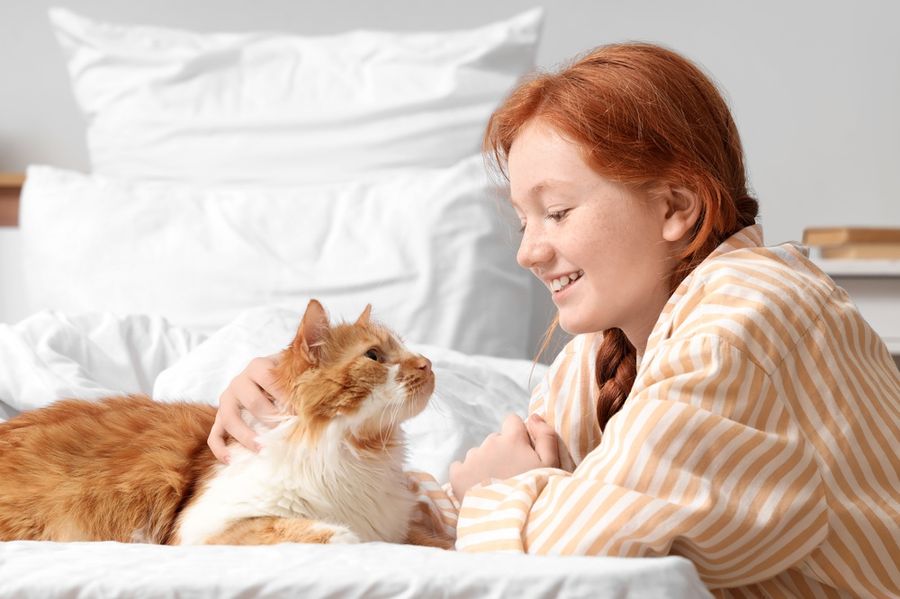
Cats have a unique way of communicating how they feel, often through subtle behaviors and physical cues. A content and healthy cat usually follows consistent habits that reflect both physical well-being and emotional comfort. While every cat has its own personality, certain signs tend to appear when everything is going well. Paying attention to daily routines, body language, and overall condition can help you better understand your cat and recognize when they are truly thriving.
A Healthy Coat and Regular Grooming Habits
One of the clearest signs of a healthy cat is a well-maintained coat. Cats that feel good tend to groom themselves regularly, keeping their fur clean, smooth, and free of tangles. Grooming is not just about appearance; it’s also a sign that your cat feels comfortable and relaxed in its environment.
A dull coat, excessive shedding, or lack of grooming can point to underlying issues such as stress or illness. Healthy skin should be free of flakes or irritation, and the coat should feel soft and look vibrant. Regular grooming behavior shows that your cat is both physically well and mentally at ease.
Bright Eyes and Clean Ears
A healthy cat typically has bright, clear eyes without discharge or cloudiness. Eyes are a strong indicator of overall health, and any changes in appearance should be taken seriously. Clean, alert eyes suggest that your cat is feeling well and free from infection.
Ears are another important area to check. Healthy ears should be light pink inside and free from excessive wax or debris. A cat that allows gentle inspection without discomfort is often relaxed and comfortable. Regularly observing these features can help you spot early signs of potential health concerns.
Consistent Eating and Litter Box Habits
Cats that are healthy and happy tend to have a steady appetite and consistent eating routine. Showing interest in food and maintaining a healthy weight are strong indicators of overall well-being. Sudden changes in appetite can signal that something may be wrong.
Litter box habits are equally important. Regular use, with normal stool consistency and frequency, reflects good digestive health. Avoidance of the litter box or noticeable changes in behavior may point to discomfort or illness. Keeping track of these daily patterns can provide valuable insight into your cat’s health.
Playfulness and Natural Curiosity
A happy cat often shows curiosity and a willingness to play. Whether chasing toys, exploring new spaces, or watching activity outside a window, engagement with the environment is a positive sign. Play behavior helps maintain both physical fitness and mental stimulation.
Even as cats age, they usually retain some level of playful behavior. A sudden lack of interest in activities they once enjoyed may indicate a problem. Encouraging regular play sessions supports overall well-being and strengthens the bond between you and your cat.
Relaxed Body Language and Comfortable Sleep
Body language can reveal a lot about how a cat is feeling. A relaxed posture, with ears forward and tail held comfortably, often signals contentment. Cats that feel safe will stretch out, curl up peacefully, or tuck their paws beneath them while resting.
Sleep habits also provide important clues. Healthy cats enjoy frequent naps but remain alert and responsive when awake. Sleeping in comfortable, open positions often shows trust in their surroundings. Consistent, restful sleep patterns are a strong indicator of both physical health and emotional security.
Social Behavior and Signs of Affection
Cats that are happy and comfortable often seek interaction with their owners. Signs of affection can include purring, head-butting, kneading, or simply choosing to sit nearby. Such behaviors reflect trust and a strong bond.
Vocalizations can also provide insight into your cat’s mood. Gentle meows or soft sounds often indicate contentment and a desire for interaction. While some cats are more independent, a willingness to engage socially is a positive sign of emotional well-being and overall happiness.
Understanding Your Cat’s Everyday Signals
Recognizing the signs of a healthy and happy cat helps build a stronger connection and ensures their needs are being met. Observing grooming habits, energy levels, and behavior patterns can provide valuable insight into their overall condition.
By staying attentive to small changes and maintaining regular care, you can support your cat’s long-term health and happiness. A well-cared-for cat will show it through consistent habits, relaxed behavior, and a strong bond with its environment and the people around it.