
Dogs may not speak with words, but they communicate constantly through posture, movement, facial expressions, and tiny changes in behavior. A wagging tail, raised paw, soft gaze, or stiff stance can reveal how a dog feels in a given moment. Learning to read canine signals can make everyday interactions safer, calmer, and more enjoyable for you and your pet. Strong communication also helps build trust because owners can respond with patience when their dog feels excited, nervous, playful, unsure, or relaxed.
A Relaxed Dog Looks Loose and Comfortable
A relaxed dog usually has a soft, easy posture. Their body may look loose or slightly wiggly, especially when they’re happy to see someone familiar. Their ears often rest in a natural position, their eyes look soft, and their mouth may stay gently closed or open in a relaxed pant.
A calm dog’s tail may move in a wide, sweeping wag, often at a neutral height. Since every breed carries its tail differently, it helps to learn what’s normal for your own dog. When their body looks balanced, their face looks peaceful, and their movements feel easy, they’re likely feeling comfortable in their surroundings.
A Wagging Tail Doesn't Always Mean Happiness
Many people assume a wagging tail always means a happy dog, but tail movement can mean several things. A broad, loose wag that moves the whole body often signals friendliness or excitement. A fast, stiff wag, especially with a tense body, may mean the dog is alert, frustrated, or unsure.
Tail height matters too. A low or tucked tail often points to fear or discomfort, while a high, stiff tail can show confidence, tension, or arousal. Because tail signals can be confusing on their own, it’s best to look at the entire dog. Eyes, ears, posture, and movement all help explain what the tail is really saying.
Ears and Eyes Reveal Important Clues
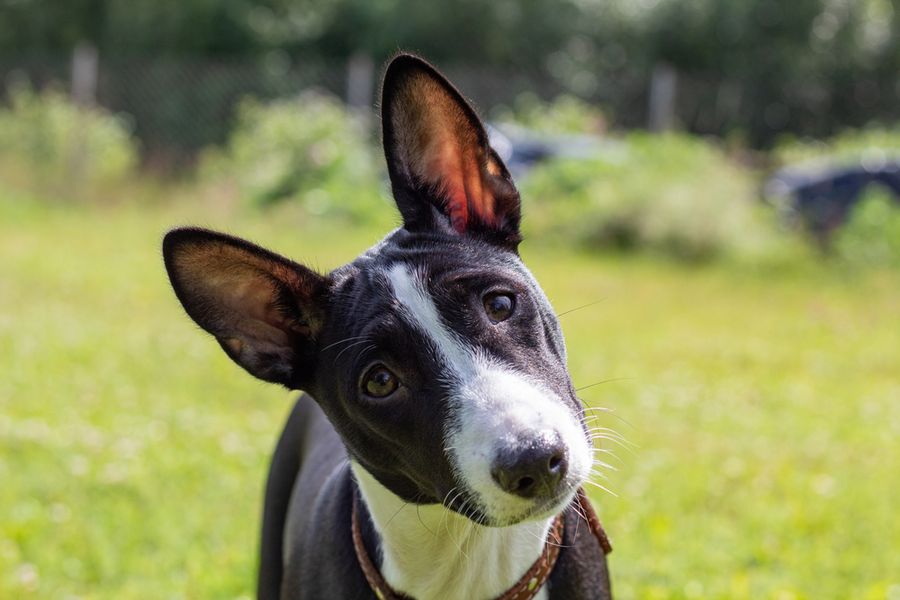
A dog’s ears can offer helpful hints about their mood. Forward ears often mean a dog is alert or interested in something nearby. Ears pinned back against the head can suggest fear, stress, or an attempt to appear less threatening. For floppy-eared breeds, watching the base of the ear can make signals easier to notice.
Eyes are just as expressive. Soft eyes usually signal calmness, while hard staring can suggest tension or guarding. If the whites of the eyes show, sometimes called whale eye, a dog may feel anxious or uncomfortable. Looking away can also be a calming signal rather than stubborn behavior.
Stress Signals Can Be Easy to Miss
Dogs often show stress in small ways before they growl, bark, or try to move away. Common signs include lip licking, yawning, panting when it’s not hot, scratching, shaking off, sniffing the ground, or lifting one front paw. Some dogs may turn their head away or move in a curved path instead of approaching directly.
Those behaviors are often called calming signals because a dog may use them to reduce tension. They can appear during greetings, vet visits, training, or busy social situations. Noticing early stress signs allows owners to give their dog space before discomfort grows into fear or defensive behavior.
Body Posture Shows Confidence, Fear, or Playfulness
A dog’s overall posture can say a lot. When a dog shifts its weight forward, they may be curious, focused, or ready to move closer. If their body is stiff and leaning forward with a hard stare, that can signal tension. When a dog crouches low or shifts backward, they may feel fearful or uncertain.
Playful posture usually looks much looser. A play bow, with the front end lowered and the back end raised, often means a dog wants to play. A dog rolling onto their back may feel relaxed, but it can also mean they’re nervous or trying to appear harmless. Context matters every time.
Warning Signs Deserve Respect
Some body language signals mean a dog needs space right away. Freezing, growling, showing teeth, raising a lip, stiffening, or staring intensely can all be signs of discomfort. Raised hackles may appear when a dog is highly aroused, though that doesn’t always mean aggression. Excitement, fear, or intense interest can also cause fur to stand up.
The safest response is to avoid punishment and reduce pressure. A growl or freeze is communication, not misbehavior. Moving calmly away, removing a trigger, or giving the dog room can prevent a situation from escalating. Respecting warning signs helps dogs feel heard and keeps everyone safer.
Better Understanding Builds a Better Bond
Learning dog body language helps owners respond with more kindness and confidence. Instead of guessing why a dog acts a certain way, owners can look at the whole picture, including tail position, ears, eyes, posture, movement, and the situation around them.
Over time, reading those signals can strengthen trust. Dogs feel safer when their boundaries are respected, and owners feel more connected when they understand what their pet is trying to communicate. A dog’s body tells a story every day, and paying attention can make life together calmer, happier, and more rewarding.