

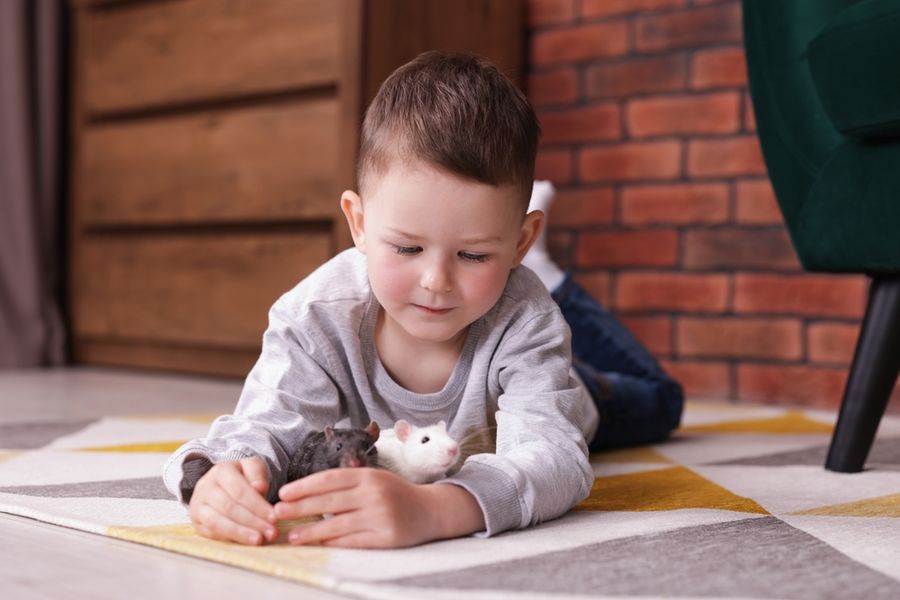
Choosing a child's first pet is one of those quiet parenting decisions that carries more weight than it appears. The right animal teaches responsibility, empathy, and the rhythms of daily care without overwhelming a young person still learning what commitment actually means. Size matters here — not because small animals are easier in every respect, but because they fit naturally into a family home and scale well to a child's capacity for attention and gentle handling.
Why Small Pets Teach Big Lessons
Before diving into specific animals, it's worth understanding what a first pet is actually supposed to do. Beyond the obvious joy of companionship, a well-chosen small pet introduces children to concepts that no classroom can replicate as effectively — the cause and effect of consistent feeding, the satisfaction of a clean habitat, the quiet reward of an animal that recognizes your voice or scent.
What to Consider Before Choosing
No small animal is universally right for every family. There are important questions to ask yourself before making the decision.
Question 1: How old is the child, and how physically coordinated are they? This determines whether a fragile or skittish animal is appropriate.
Question 2: How much space does the house realistically have for an enclosure, including room for the animal to exercise or roam safely? Most enclosures for sale at big box pet stores are not actually big enough or suitable for the animals they're marketed for. Do proper research online to get a sense of how much space each species needs.
Question 3: How much backup care will you actually provide when the child's enthusiasm inevitably dips? Ultimately, if your child loses interest, you are responsible for the proper care of the animal, so make sure you've accepted that before moving forward.
Answering these questions prevents impulse decisions and protects both the child and the animal from a mismatch that benefits neither.
Guinea Pigs: The Gold Standard for Young Children
If there is one small animal that consistently earns its reputation as an ideal first pet for children, it is the guinea pig. Robust enough to tolerate gentle but imperfect handling, sociable enough to actively seek human interaction, and vocal enough to communicate when hungry or happy, guinea pigs bridge the gap between "something to look at" and "a real relationship."
Guinea pigs are social animals that need to be kept in pairs (or more), which is worth factoring into the setup and upkeep costs — but the benefit is that they entertain each other when children are at school, reducing guilt about absences. They live four to seven years, long enough to grow with a child through a meaningful stretch of childhood without demanding a decade-long commitment.
Their care is genuinely manageable for children with light parental supervision: fresh leafy greens and vegetables daily, a topped-up hay supply, a water bottle check, and a full cage clean once a week. A child who can tie their own shoes can handle most of this routine with a little guidance.
The main drawbacks are feeding costs and space. A pair of guinea pigs needs, at minimum, a 7.5 square foot enclosure. They also need a constant supply of hay, which is equal to 6-8 pounds of hay per piggie per month, as it makes up about 80% of their diet. Make sure these things are in your budget. They may be pricey, but they are necessary if you're going to keep piggies as pets.
Rabbits: Rewarding but Ready for Slightly Older Kids
Rabbits occupy a slightly more advanced tier of first pet — not because they are inherently difficult, but because they require more nuanced handling and a larger commitment of space and time. A rabbit that is mishandled or dropped can sustain serious injury, which makes them better suited to children aged eight and up who have developed both physical coordination and a more consistent sense of gentleness.
They do need quite a bit of space to exercise or free-roam everyday. Their enclosure should be atleast 8 square feet (not the tiny cages they sell at pet stores) and they should have access to at least 24 square feet for exercising daily.
What rabbits offer in return is remarkable. A well-socialized rabbit will binky — the joyful, spontaneous leap and twist that signals a happy rabbit — run to greet family members, and settle comfortably beside a child reading or watching television. They are genuinely interactive in ways that surprise many families who expected something more passive.
Litter training comes naturally to most rabbits, which makes indoor keeping practical. Their diet of hay, fresh vegetables, and limited pellets is straightforward, and their lifespan of eight to twelve years means a rabbit adopted by a ten-year-old could still be part of the family when that child leaves for college.
Rats: The Underrated Choice That Wins Families Over
Few animals suffer from as unfair a reputation as the domestic rat. Mention them as a pet option and many parents instinctively recoil — yet ask any family who has actually kept them, and the response is almost universally enthusiastic. Fancy rats, the domesticated variety sold in pet stores, by breeders, and found in shelters bear little resemblance to their wild counterparts in temperament or behavior. They are clean, intelligent, and remarkably affectionate animals that form genuine bonds with the children who care for them.
What sets rats apart from most other small pets is their active curiosity and trainability. A rat can learn its name, come when called, navigate simple obstacle courses, and even perform basic tricks with patient, treat-based reinforcement. This interactivity makes them deeply engaging for children aged seven and up who want a pet that responds to them rather than simply existing alongside them.
Like guinea pigs, rats are social animals that should be kept in same-sex pairs or small groups to prevent loneliness. They live two to three years — a shorter lifespan than most small pets, which is worth discussing honestly with children, as it means loss is part of the experience. Their enclosure, which should be multi-level for climbing and have atleast 8 square feet of floor space requires a thorough clean twice a week, and they benefit from daily out-of-cage time to explore and interact with family members. For a child ready to offer that level of consistent engagement, few small animals will give back as much.
Fish: Teaching Care Without Physical Interaction
Fish often get dismissed as "not really a pet" — an unfair reputation that underestimates how much a well-maintained aquarium teaches. For very young children between three and six, or for kids who are allergic to fur or dander, a small freshwater aquarium stocked with hardy species like bettas, guppies, or platies offers a genuine introduction to pet ownership.
The lessons are real: fish die if their water goes uncleaned, if they are overfed, or if their tank temperature drops. These are meaningful consequences that teach cause and effect in a low-pressure environment. A child who successfully keeps a betta fish alive and healthy for a year has demonstrated real readiness for a more demanding pet.
Setup costs for a small ten-gallon tank are modest, and the daily routine — a small pinch of food, a quick visual health check — is achievable for even very young children with minimal oversight.
The Animal That Grows a Child
The best first pet is not the cutest one in the cage or the one a child points to most urgently in the moment. It is the one whose needs align with where that particular child currently is — in age, in temperament, in readiness. A guinea pig that a six-year-old learns to feed, clean up after, and genuinely love is doing something a toy or a screen cannot: it is teaching that another living creature's wellbeing depends, in some small but real way, on the choices that child makes every single day. That lesson, absorbed early and felt rather than taught, has a way of lasting.