

Indoor cats can live happy, comfortable lives when their homes support natural instincts like climbing, scratching, hiding, and hunting. A thoughtful setup gives cats plenty of ways to stay active, relaxed, and entertained without needing outdoor freedom. Small changes around the house can make daily life more enriching, from cozy resting spots to playful challenges that keep curious minds busy. With the right balance of comfort, stimulation, and security, an indoor cat can feel safe, content, and deeply connected to home.
Give Your Cat Places to Climb
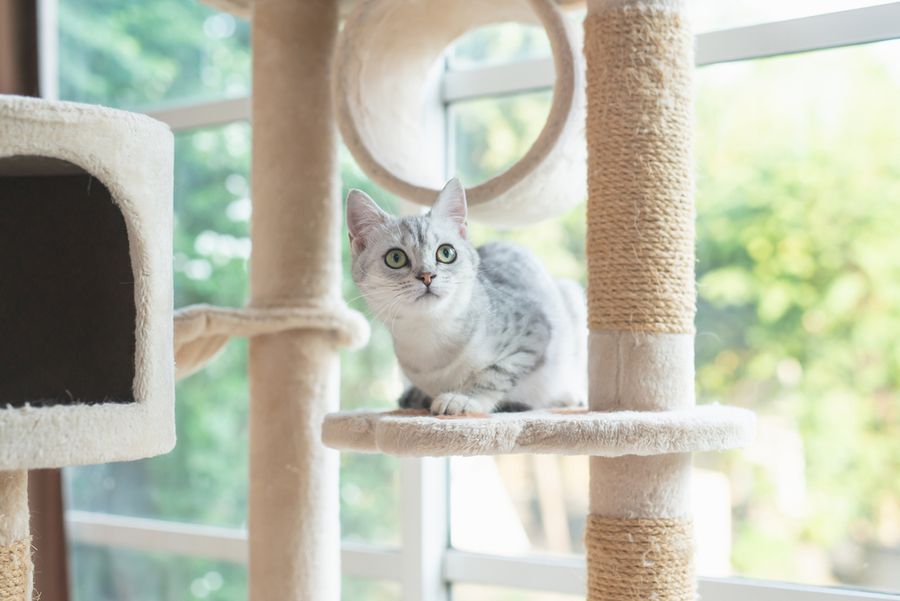
Cats naturally enjoy being up high. Elevated spots allow them to observe their surroundings, feel secure, and take quiet breaks away from household activity. Cat trees, sturdy shelves, window perches, and tall furniture can all give indoor cats more territory without requiring extra floor space.
Vertical areas are especially helpful in busy homes or multi-pet households. A cat that feels overwhelmed can retreat to a higher place and watch from a safe distance. Climbing also provides light exercise and mental stimulation. Even a simple perch near a favorite room can make a big difference. The goal is to give cats options so they can choose where they feel most comfortable.
Create Cozy Hiding and Resting Spots
Even friendly cats need private places where they can relax without being disturbed. Hiding spots help cats feel safe, especially during loud moments, visitors, or changes in routine. Covered beds, cardboard boxes, cat condos, and quiet corners can all serve as comforting retreats.
A good indoor environment includes a mix of social spaces and peaceful hideaways. Cats often enjoy being near their people, but they also appreciate control over when to interact. Placing soft bedding in calm areas of the home gives them a chance to rest deeply. When cats know they have safe spaces available, they often feel more confident exploring the rest of the house.
Make Windows More Interesting
A window can be one of the best forms of entertainment for an indoor cat. Birds, squirrels, moving leaves, passing cars, and changing light can all capture a cat's attention. A comfortable perch near a window gives them a front-row seat to the outside world while keeping them safely indoors.
Adding a blanket, cushion, or cat bed near the window can make the spot even more inviting. Some cats may spend hours watching outdoor activity, especially when the view changes throughout the day. Window watching offers mental stimulation without much effort from the owner. For many cats, a sunny window perch quickly turns into a favorite daily destination.
Encourage Play and Hunting Instincts
Indoor cats still have strong hunting instincts, even when meals arrive in a bowl. Regular play helps satisfy those instincts in a safe and healthy way. Wand toys, feather teasers, toy mice, and rolling balls can encourage chasing, pouncing, and jumping.
Short play sessions often work better than long ones. A few minutes of focused play once or twice a day can help reduce boredom and burn energy. Rotating toys keeps activities fresh and prevents cats from losing interest. Ending play with a small treat or meal can make the experience feel more rewarding, almost like a successful hunt followed by a satisfying snack.
Use Puzzle Feeders and Treat Hunts
Mealtime can become more exciting with puzzle feeders, treat balls, or simple homemade games. Instead of placing every meal in a bowl, owners can encourage cats to work for part of their food. Puzzle feeders help engage problem-solving skills while adding variety to the day.
Treat hunts are another easy option. Small portions of food or treats can be hidden around safe areas of the home, encouraging cats to sniff, search, and explore. Starting with easy hiding places helps build confidence. Over time, the game can become slightly more challenging. Activities like these provide mental stimulation and give indoor cats a fun job to do.
Provide Scratching Spots They’ll Actually Use
Scratching is a normal and healthy behavior for cats. It helps them stretch, care for their claws, and mark familiar spaces. Rather than trying to stop scratching altogether, it’s better to provide acceptable surfaces that appeal to the cat.
Different cats prefer different scratching styles. Some like tall vertical posts, while others prefer horizontal cardboard scratchers or angled surfaces. Placement matters too. Scratchers often work best near sleeping areas, windows, or favorite hangout spots. If a cat ignores one option, trying a different material or shape may help. Providing good scratching choices can protect furniture while supporting a cat's natural needs.
A Home That Feels Safe and Engaging
Creating a great indoor environment for a cat doesn't require a complete home makeover. A few thoughtful additions can help meet a cat's need for comfort, stimulation, and independence. Elevated spaces, cozy hiding spots, window views, play sessions, puzzle feeders, and scratching areas all work together to make indoor life more rewarding.
Every cat has a unique personality, so the best setup may take some experimenting. Some cats love climbing, others prefer hiding, and many enjoy a mix of both. Paying attention to individual preferences helps owners create a home that feels safe, interesting, and full of small daily pleasures.