

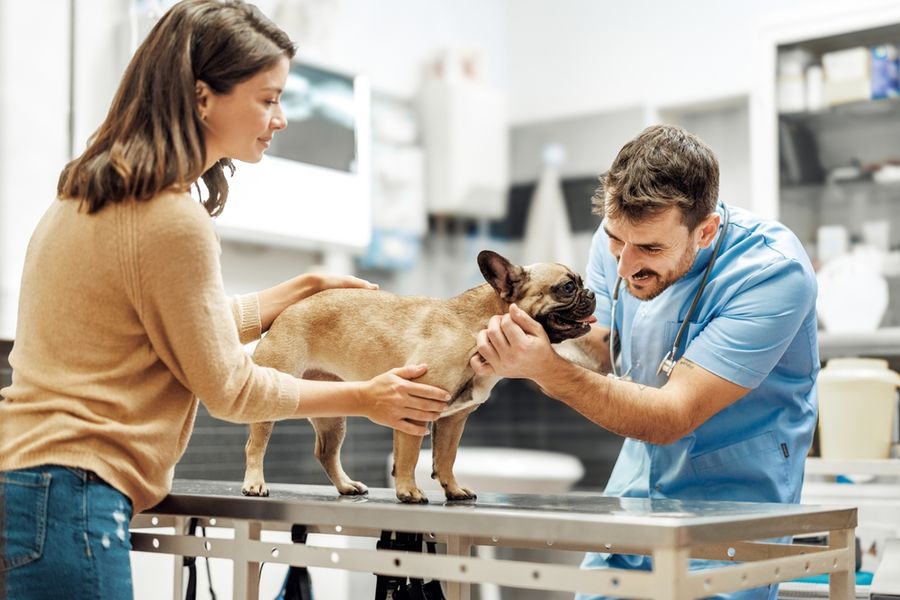
Pets can’t explain when something feels wrong, so small changes often tell a bigger story. A shift in appetite, energy, or behavior may seem minor at first but could signal an underlying issue. Some symptoms appear suddenly and demand immediate attention, while others develop gradually over time. Learning to spot early warning signs helps protect your pet’s well-being and prevents more serious complications. Paying close attention can make all the difference in keeping your companion healthy.
Changes in Appetite and Weight
A healthy pet usually has a steady appetite, so noticeable changes deserve attention. Skipping a single meal may not always signal a problem, but ongoing refusal to eat can point to illness, pain, or digestive issues. If appetite loss continues beyond a day or is paired with vomiting or lethargy, a veterinary visit is often necessary.
Weight changes can also reveal underlying health concerns. Gradual or sudden weight loss without a clear reason often signals a deeper issue that requires evaluation. Even pets that continue eating normally can lose weight due to hidden medical conditions, making regular observation essential for early detection.
Persistent Vomiting or Digestive Issues
Occasional stomach upset can happen, especially for pets that explore with their mouths. However, repeated vomiting or ongoing diarrhea is a clear sign that something isn’t right. Frequent episodes can lead to dehydration and may indicate infections, dietary problems, or more serious conditions.
Watch for additional warning signs such as blood in vomit, severe lethargy, or refusal to drink water. When digestive symptoms persist or worsen, professional care helps identify the cause and prevents complications that could quickly become dangerous.
Difficulty Breathing or Unusual Coughing
Breathing should always appear calm and effortless. Labored breathing, wheezing, or persistent coughing can signal serious health problems that require immediate attention. Pets experiencing breathing trouble may look anxious, pace, or struggle to get comfortable.
In some cases, rapid breathing or heavy panting might seem harmless but could mask underlying respiratory or heart issues. Any change in breathing patterns should be treated as urgent, as early intervention can be critical in preventing life-threatening situations.
Sudden Changes in Behavior or Energy
Pets often hide discomfort, so behavioral shifts can be one of the first clues that something is wrong. Increased aggression, withdrawal, excessive vocalization, or unusual fearfulness may indicate pain or illness. Even subtle changes in personality can be meaningful.
A noticeable drop in energy, reluctance to move, or ongoing lethargy also warrants attention. While occasional tiredness may follow exercise or a busy day, persistent low energy often signals a need for veterinary evaluation to rule out underlying conditions.
Trouble Moving or Signs of Pain
Mobility issues can develop gradually or appear suddenly, and both situations should be taken seriously. Limping, stiffness, or difficulty standing may point to joint problems, injuries, or neurological concerns. Sudden inability to walk is especially urgent and requires immediate care.
Pain can also show up in less obvious ways. Whining, restlessness, or reluctance to be touched may signal discomfort. Since pets can’t explain what hurts, recognizing physical and behavioral cues helps ensure they receive timely treatment.
Unusual Bathroom Habits or Physical Symptoms
Changes in bathroom habits often indicate internal issues that shouldn’t be ignored. Straining to urinate, lack of bowel movements, or accidents in a previously trained pet can signal infections, blockages, or other medical concerns.
Additional symptoms like excessive thirst, blood in urine or stool, or unusual lumps and wounds also require attention. Monitoring daily habits provides valuable insight into your pet’s health and can help catch problems early before they escalate.
Visible Eye, Ear, and Skin Changes
Physical changes on the outside of your pet’s body can be some of the easiest warning signs to spot. Cloudy eyes, redness, swelling, or discharge may indicate irritation, infection, or injury that needs prompt attention. Pets that squint, paw at their face, or keep one eye closed are often trying to signal discomfort.
Skin and coat changes also matter. Excessive scratching, hair loss, lumps, or sores that don’t heal can point to allergies, parasites, or more serious conditions. Regularly checking your pet’s eyes, ears, and skin helps catch problems early, allowing for faster treatment and a more comfortable recovery.
When Acting Quickly Makes All the Difference
Knowing when to call the vet often comes down to trusting your instincts and recognizing patterns. Sudden symptoms like breathing trouble, collapse, or severe pain should never wait, while gradual changes still deserve timely evaluation to prevent complications.
Regular observation, combined with prompt action, helps protect your pet’s health and comfort. A quick response to warning signs can lead to earlier treatment, better outcomes, and a longer, happier life for your companion.