

Staying properly hydrated does more than quench thirst. Water supports digestion, circulation, temperature control, and energy levels throughout the day. While drinking fluids remains essential, many foods also contribute to hydration in meaningful ways. Fresh produce, dairy, and even certain meals contain surprisingly high water content. Adding more water-rich options into daily routines can support overall wellness, improve satiety, and make healthy eating feel refreshing and satisfying without much extra effort.
Water-Rich Fruits That Deliver Refreshing Hydration
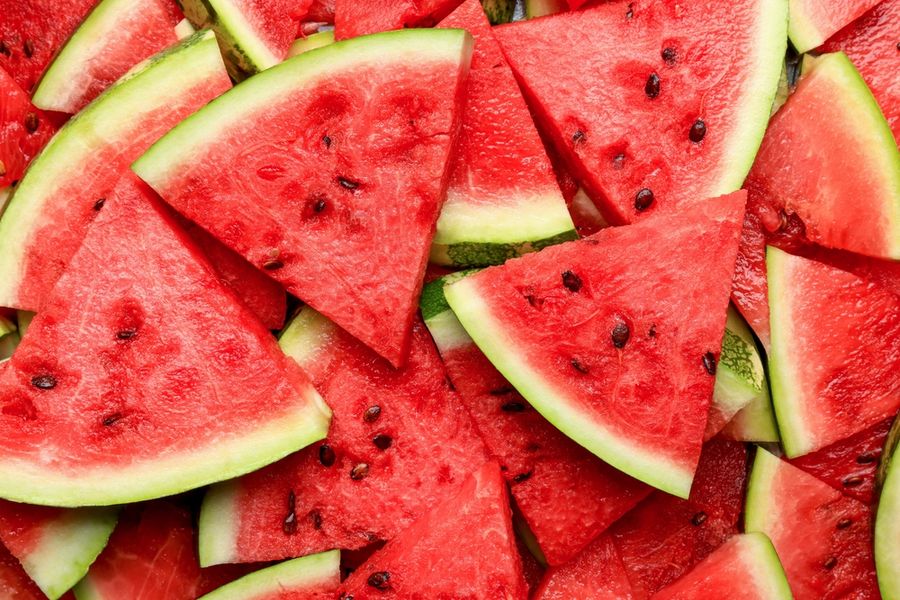
Fruits are among the easiest and most enjoyable ways to boost hydration. Options like watermelon, strawberries, cantaloupe, and oranges contain more than 85 percent water, making them ideal for maintaining fluid balance. Watermelon alone provides over 90 percent water while also offering vitamin C, vitamin A, and antioxidants that support overall health.
Beyond hydration, fruit offers natural sweetness, fiber, and essential nutrients. Regular consumption may help reduce inflammation and support digestion. Adding fruit to breakfast bowls, snacks, or salads can increase water intake without feeling like a chore. Choosing whole fruits instead of juices also ensures fiber intake remains high, which helps maintain fullness and steady energy levels throughout the day.
Crisp Vegetables That Keep the Body Cool
Vegetables with high water content are especially helpful for hydration, particularly during warmer months. Cucumbers, celery, lettuce, and zucchini often contain more than 90 percent water. Cucumbers, for example, are made almost entirely of water while remaining extremely low in calories.
Crunchy vegetables also provide fiber, vitamins, and minerals that support digestion and heart health. Eating raw vegetables as snacks or adding them to meals increases hydration while contributing to nutrient intake. Salads, wraps, and fresh veggie platters offer simple ways to include more of them daily. Their refreshing texture and mild flavors make them easy to pair with a wide variety of foods.
Hydrating Foods That Support Weight Management
Foods with high water content tend to be lower in calories, making them helpful for maintaining a healthy weight. Water-rich options like lettuce, tomatoes, and zucchini provide volume without excess calories. Larger portions can be enjoyed while still supporting balanced energy intake.
Eating meals that include hydrating foods may also promote fullness and reduce overall calorie consumption. Soups and broths are particularly effective, as they combine water with vegetables and nutrients. Starting a meal with a light soup or salad can help control appetite while improving hydration. Over time, incorporating such foods may support sustainable and balanced eating habits.
Dairy and Protein Options That Contribute to Hydration
Hydration does not come only from fruits and vegetables. Dairy products like milk and yogurt also contain a high percentage of water while delivering protein, calcium, and essential nutrients. Milk, for example, is made up of nearly 90 percent water and provides electrolytes that help maintain fluid balance.
Including hydrating protein sources in meals can help support muscle recovery and satiety. Yogurt, cottage cheese, and smoothies made with milk offer both hydration and nourishment. Choosing plain varieties helps reduce added sugar intake while still delivering benefits. Combining dairy with fruits can create balanced, refreshing meals or snacks that contribute to hydration goals.
Creative Ways to Add More Hydrating Foods Daily
Incorporating hydrating foods into everyday meals does not require major changes. Simple swaps and additions can make a noticeable difference. Adding sliced cucumbers to sandwiches, tossing berries into oatmeal, or including a side salad with dinner can gradually increase water intake.
Blending fruits into smoothies or preparing chilled soups can also boost hydration while keeping meals interesting. Keeping pre-cut fruits and vegetables on hand makes healthy choices more convenient. Small habits, when practiced consistently, can improve hydration levels without needing to rely solely on drinking more water throughout the day.
Why Whole Foods Often Hydrate Better Than Drinks Alone
Drinking water remains essential, but whole foods provide added benefits that beverages alone cannot match. Fruits and vegetables deliver water along with fiber, vitamins, and antioxidants. Such combinations support digestion, immune health, and overall wellness in ways plain water cannot.
Water-rich foods also release hydration more slowly during digestion, helping maintain steady fluid levels. Eating balanced meals that include hydrating ingredients may prevent sudden drops in energy or hydration. Combining fluid intake with nutrient-dense foods creates a more effective and sustainable approach to staying properly hydrated.
Small Changes That Lead to Better Hydration Habits
Improving hydration does not require drastic changes or strict routines. Adding more water-rich foods to meals can make a meaningful difference over time. Fresh fruits, crisp vegetables, and nutrient-rich dairy options all contribute to daily fluid needs while supporting overall health.
Building habits around hydration-friendly foods can also make healthy eating more enjoyable. Meals feel lighter, more refreshing, and naturally satisfying. Over time, consistent choices can support energy, digestion, and long-term wellness without feeling restrictive or complicated.