

Money can feel overwhelming without a clear plan, especially when expenses seem to grow faster than income. Simple frameworks often make the biggest difference by turning complicated decisions into manageable habits. One popular approach divides income into clear categories that balance everyday needs with future goals. With a structure that’s easy to follow and flexible enough to adjust, many people find greater control over spending while still enjoying life along the way.
Understanding the Basics of the 50/30/20 Rule
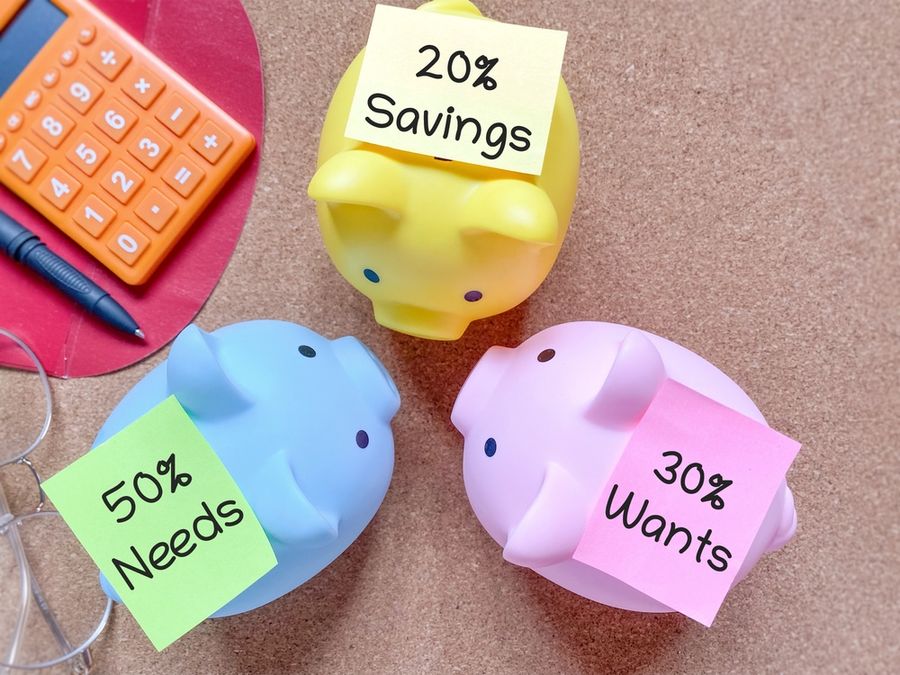
The 50/30/20 budgeting method is a simple way to organize money into three main categories: needs, wants, and savings. Instead of tracking every dollar in detail, it focuses on broad percentages that guide spending decisions. The goal is to create balance between essential expenses, lifestyle choices, and long-term financial security.
Everything starts with after-tax income, which is the amount you actually take home. From there, you divide your money based on the recommended percentages. That structure provides a clear snapshot of where your money should go and helps highlight areas that may need adjustment without feeling overly restrictive or complicated.
Breaking Down the 50 Percent for Needs
Needs are essential expenses that you must pay to maintain a basic standard of living. About half of your income is typically allocated to housing, utilities, groceries, transportation, insurance, and minimum debt payments. If you can’t function without it, it belongs in the needs category.
Keeping needs within 50 percent can be challenging, especially in areas with high living costs. If essential expenses take up more than half of your income, it may be necessary to adjust spending elsewhere or explore ways to reduce fixed costs. Even small changes, like refinancing or cutting utility waste, can help bring balance back into your budget.
Managing the 30 Percent for Wants
Wants include everything that enhances your lifestyle but isn’t required for survival. Dining out, entertainment, travel, subscriptions, and hobbies all fall into this category. Allocating 30 percent of your income allows room for enjoyment without sacrificing financial stability.
It’s easy for wants to quietly grow over time, especially with recurring expenses like streaming services or frequent takeout. Reviewing spending habits regularly helps keep that category in check. Making thoughtful choices about what truly adds value to your life can prevent overspending while still allowing you to enjoy the things you love.
Building Security with the 20 Percent for Savings
The remaining 20 percent is dedicated to savings and long-term goals. That portion can include building an emergency fund, contributing to retirement accounts, or saving for major milestones like a home purchase. It also includes paying down debt beyond minimum payments.
Consistency matters more than perfection in this category. Even if you can’t reach the full 20 percent right away, starting with smaller contributions can build momentum over time. Automating transfers into savings accounts or investment funds makes the process easier and helps ensure progress without relying on willpower alone.
How to Get Started with Your Own Budget
Getting started begins with understanding your monthly income after taxes. Once you have that number, review your current spending and sort each expense into needs, wants, or savings. That exercise often reveals patterns that may not have been obvious before.
From there, compare your spending to the 50/30/20 targets. If one category is too high, look for areas where adjustments can be made. Some people prefer using apps or spreadsheets, while others separate money into different accounts. The key is finding a system that’s simple enough to maintain consistently over time.
Adjusting the Rule to Fit Your Reality
Not every household can follow the exact 50/30/20 split, and that’s okay. Rising housing costs, debt, or unique financial goals may require a different balance. Some people shift to a 60/20/20 or 50/20/30 approach depending on their situation.
Flexibility is one of the strengths of this method. The percentages serve as a guideline rather than a strict rule. Adapting the framework to match your income and expenses makes it more practical and sustainable. Over time, as circumstances change, you can adjust your budget to better align with your goals.
Creating a Balanced Financial Future
The 50/30/20 budgeting method offers a clear and approachable way to manage money without feeling overwhelmed. By dividing income into needs, wants, and savings, it encourages both responsibility and enjoyment. That balance can make budgeting feel less like a restriction and more like a tool for freedom.
Building financial stability takes time, but a simple framework can make the process easier to follow. Small, consistent improvements often lead to meaningful progress. With a thoughtful approach and regular adjustments, managing money can feel more intentional and far less stressful.