

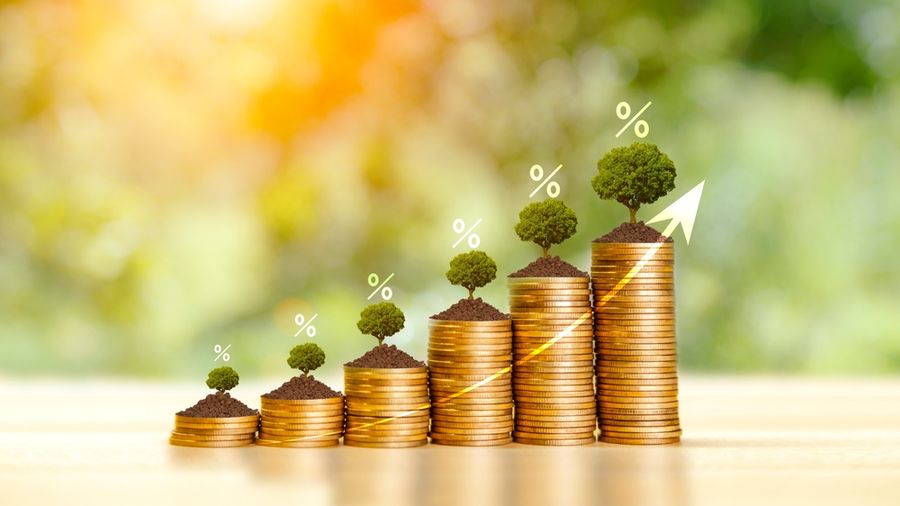
Money has a unique way of growing when given enough time and the right conditions. What starts as a small amount can steadily expand without requiring constant effort. One of the most powerful forces behind long-term financial growth is compound interest. It rewards patience and consistency, turning simple savings into something much more meaningful. Understanding how it works can change the way you approach saving, investing, and even borrowing over time.
What Compound Interest Actually Means
Compound interest refers to earning interest not only on your original amount but also on the interest that has already been added. Instead of growth happening in a straight line, it builds on itself over time, creating a snowball effect that accelerates as the balance increases.
At first, the growth may seem slow, especially with smaller amounts. Over time, however, each new round of interest adds to a larger base, which leads to bigger gains. That compounding effect is what makes it so powerful for long-term financial planning and wealth building.
How Compound Interest Grows Over Time
Time is one of the most important factors in compound interest. The longer your money stays invested or saved, the more opportunities it has to grow. Each period builds on the last, creating a pattern where growth increases faster as years pass.
Early stages may not feel impressive, but patience makes a difference. After enough time, the balance can grow much more quickly than expected. That’s why long-term investing strategies often rely heavily on compounding, since time amplifies even modest contributions into larger results.
The Role of Compounding Frequency
Compound interest can be calculated at different intervals, such as annually, monthly, or even daily. The more frequently interest is added to your balance, the faster your money grows. Each compounding period creates another opportunity to earn interest on a larger amount.
For example, an account that compounds daily will typically grow faster than one that compounds annually, assuming the same interest rate. While the differences may seem small at first, they can add up significantly over time, especially with larger balances or longer time horizons.
Why Starting Early Makes a Huge Difference
Starting early gives compound interest more time to work in your favor. Even small contributions made consistently can grow into substantial amounts when given enough years to build. Delaying, on the other hand, often requires larger contributions later to achieve similar results.
The advantage of time means younger savers often have more flexibility. They can contribute less each month and still reach meaningful goals. Beginning early also reduces pressure, since growth happens gradually instead of requiring aggressive saving in a shorter time frame.
How Compound Interest Impacts Debt
Compound interest isn’t always beneficial. When applied to debt, especially credit cards or loans, it can increase what you owe at a faster rate. Interest gets added to your balance, and future interest is calculated on that higher amount.
That’s why high-interest debt can feel difficult to pay off. Even if you make regular payments, the balance may grow if interest accumulates quickly. Understanding how compounding works on debt can encourage faster repayment and help reduce the total amount paid over time.
Using Simple Rules to Estimate Growth
One helpful shortcut for understanding compound interest is the Rule of 72. By dividing 72 by an interest rate, you can estimate how long it will take for your money to double. It’s a quick way to visualize how different rates impact growth.
For example, at a 6 percent return, money would roughly double in about 12 years. While not exact, the rule offers a simple way to compare options and set expectations. Tools like calculators can provide more precise numbers, but simple estimates are often enough to guide decisions.
Turning Small Steps Into Long-Term Growth
Compound interest shows how consistent effort can lead to meaningful results over time. Regular contributions, even in small amounts, can grow into something significant with patience and discipline. The key is giving your money enough time to build momentum.
With a clear understanding of how compounding works, saving and investing feel more purposeful. Instead of relying on large one-time efforts, steady habits can create lasting financial progress. Over time, that approach can lead to greater stability, flexibility, and confidence in your financial future.