

Money decisions often hinge on a single number that many people don’t fully understand. Lenders, landlords, and even insurance companies rely on it to judge financial reliability. That number reflects habits built over time, not just a snapshot of one moment. With the right knowledge, it’s possible to influence how it grows and changes. Understanding how credit scoring works can make financial choices feel more intentional and far less confusing.
What a Credit Score Really Represents
A credit score is a number that predicts how likely you are to repay borrowed money on time. It’s calculated using information from your credit reports, which track your borrowing and repayment history. Lenders use that number to evaluate risk before approving loans, credit cards, or other financial products.
Scores usually fall within a range, often between 300 and 850, with higher numbers indicating stronger credit behavior. A higher score generally signals reliability, while a lower score may suggest greater risk. That number doesn’t define your financial future, but it does influence the options and terms available when you apply for credit.
The Key Factors That Shape Your Score
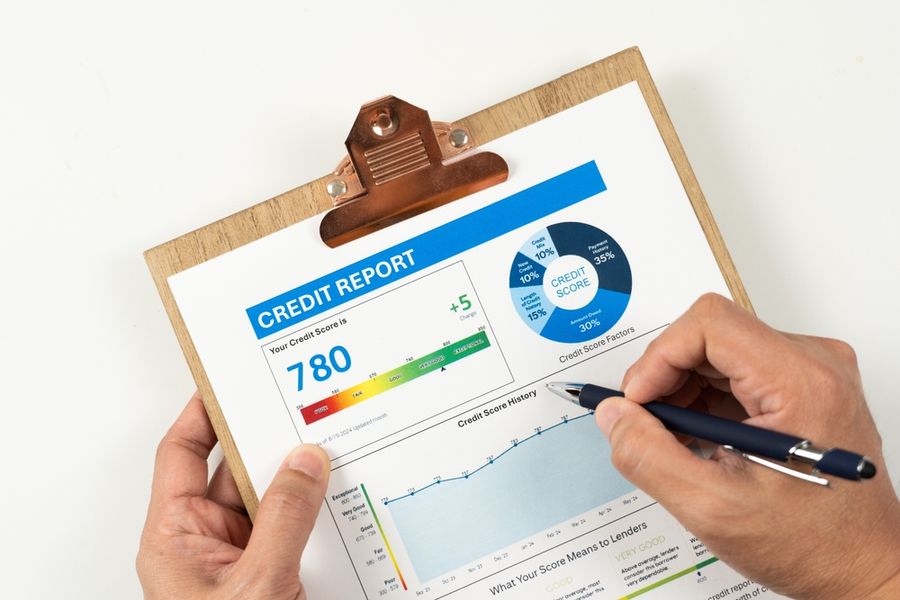
Several major factors influence how your credit score is calculated. Payment history is one of the most important, reflecting whether you pay bills on time. Missed or late payments can have a significant negative impact, while consistent on-time payments help build a strong profile.
Another major factor is how much credit you’re using compared to your available limit, often called credit utilization. Lower usage generally looks better to lenders. Other elements include the length of your credit history, the mix of account types, and recent credit activity, such as new applications or inquiries.
Why Payment History Carries So Much Weight
Payment history often makes up the largest portion of your credit score because it directly reflects reliability. Lenders want to know whether you’ve consistently met your obligations, and past behavior is one of the best indicators of future actions.
Even one missed payment can affect your score, especially if it goes unpaid for an extended period. On the other hand, a long track record of on-time payments builds trust over time. Setting up automatic payments or reminders can help ensure consistency and protect your score from avoidable mistakes.
How Credit Utilization Impacts Your Standing
Credit utilization measures how much of your available credit you’re currently using. For example, if you have a $1,000 credit limit and carry a $300 balance, your utilization rate is 30 percent. Lower percentages tend to reflect more responsible credit management.
Keeping balances low relative to your limits can improve your score over time. Paying down credit cards or spreading balances across multiple accounts can help reduce utilization. Even if you pay your balance in full each month, high usage during billing cycles can still affect your reported ratio.
Understanding Why You Have Multiple Scores
Many people are surprised to learn that there isn’t just one single credit score. Different scoring models and credit bureaus may calculate scores using slightly different data and formulas. As a result, your score can vary depending on where it’s checked.
Lenders may also use specialized scores tailored to specific types of credit, such as auto loans or mortgages. Variations are normal and don’t necessarily indicate a problem. What matters most is maintaining strong habits across all accounts, which supports healthy scores regardless of the model being used.
What Lenders Look for Beyond the Number
While your credit score plays a major role in financial decisions, it isn’t the only factor lenders consider. Income, employment history, and overall debt levels can also influence approval decisions and loan terms. The score acts as a quick reference point rather than the entire picture.
Lenders often use your score to determine interest rates and credit limits. Higher scores typically lead to better terms, such as lower interest rates and higher borrowing limits. Maintaining a strong score can open doors to more favorable opportunities and reduce the cost of borrowing over time.
Building Confidence Through Better Credit Habits
Understanding how a credit score works can transform the way you approach financial decisions. Each action, from paying bills on time to managing balances, contributes to a larger pattern that shapes your score. Small, consistent improvements often lead to meaningful results.
With patience and awareness, building strong credit is achievable. The goal isn’t perfection but steady progress over time. By focusing on reliable habits and making informed choices, you can strengthen your financial profile and feel more confident navigating future opportunities.